
If you just lost your job, the first thing you need to do is stop worrying about the paperwork and start your Canada EI application immediately. I personally went through this process in June 2026 here in Surrey. I made the mistake of waiting for my Record of Employment (ROE) to show up on my account before applying, which cost me a week of processing time. Do not make that mistake—apply the day after your last shift.
Eligibility and Canada EI Application Requirements
To qualify for benefits, you generally need between 420 and 700 hours of insurable work in the last 52 weeks. As of 2026, the maximum weekly benefit amount is $668. Understanding these requirements is the first step in your Canada EI application journey. You can verify your specific eligibility details through the official Government of Canada eligibility portal.
It is crucial to note that your job loss must be through no fault of your own. If you resigned or were fired for misconduct, your eligibility may be challenged. Always ensure your separation code is accurately recorded by your employer.
Canada EI Application Process and ROE Documentation
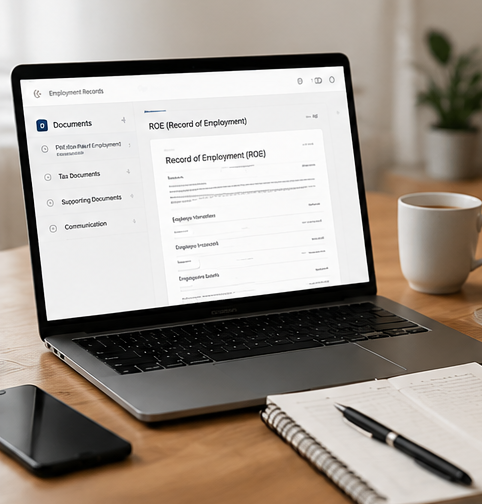
The Record of Employment (ROE) is the most critical document for your claim. Most employers now submit this electronically to Service Canada. If your employer fails to do this, your Canada EI application will remain in ‘pending’ status indefinitely.
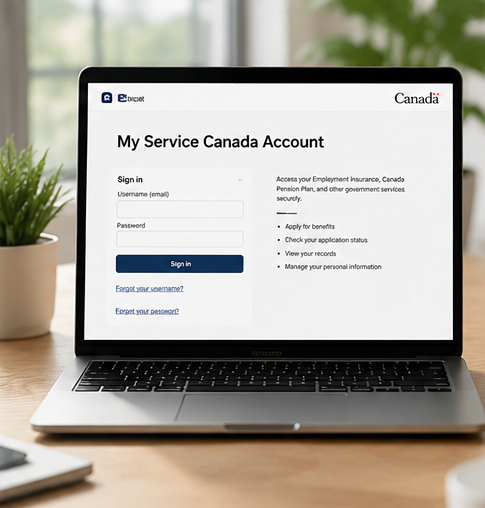
You can check the status of your ROE via My Service Canada Account. If it’s missing, contact your former employer immediately and provide them with the Service Canada contact details to speed up the process.
Maximizing Your Canada EI Application Benefits
To maximize your benefits, you must be actively seeking work and filing your bi-weekly reports. Every report is a snapshot of your status; incorrect information here can lead to benefit clawbacks or, worse, investigation by the Canada Revenue Agency (CRA).
If you perform part-time work, always report your earnings. You are allowed to earn up to 90% of your previous weekly wage; however, your EI payment is reduced by 50 cents for every dollar you earn. This incentive structure is designed to help you transition back into full-time employment without losing all your support immediately.
Handling Rejections and Appeals
If your claim is denied, do not panic. You have the right to request a reconsideration. The most common cause for rejection is an incorrect separation code or insufficient hours. Document every interaction with your former employer and Service Canada. If you need further help, reach out to local career centers.

Canada EI Application FAQ
1. Can I work part-time? Yes, you can earn up to 90% of your previous weekly earnings, with benefits reduced by 50 cents for every dollar earned.
2. Is EI taxable? Yes, EI is considered taxable income. You will receive a T4E slip.
3. How long does the first payment take? Typically 28 days if all documents are in order.
4. What if my ROE is late? Contact Service Canada immediately and provide your employer’s contact info.
5. Can I travel while on benefits? You must declare all absences; leaving the country can pause your benefits.
6. Where do I apply? Use the official Service Canada portal.
Completing your Canada EI application correctly is the first step toward financial stability while you look for your next opportunity. Stay patient, keep your records updated, and follow the official guidelines.